“Chemical reaction” search results (200)
Coffee roasting boutique Coffee Learning Coffee Baking knowledge
Roasting: this heat treatment causes significant chemical and physical changes in the structure and composition of raw coffee, causing the beans to darken and emit the characteristic aroma of roasted coffee. 1. The purpose of coffee roasting the main purposes of coffee roasting are: a, aroma; B, to increase the complexity of coffee; C, to obtain color; D, to form a unique flavor of coffee. 2. Coffee roasting
2015-01-29 Coffee roasting boutique knowledge Roasting this heat treatment
The simplest roasting process of coffee beans talk about the roasting process.
The company's own brand coffee beans [Yikalama] (beans originally from Brazil, Nanshan roasting) will be fresh out of the pot soon. Today, let's simply popularize the baking process of coffee beans, but this is only the simplest baking process! The bean baking process of our company's [Yikalama] automatic coffee machine is much more complicated than this. If there are too many processes, I will no longer be here.
2015-09-11 The simplest coffee beans roasting process one company independent brand
The most complete roasting course of Coffee
Roasting: this heat treatment causes significant chemical and physical changes in the structure and composition of raw coffee, causing the beans to darken and emit the characteristic aroma of roasted coffee. 1. The purpose of coffee roasting the main purposes of coffee roasting are: a, aroma; B, to increase the complexity of coffee; C, to obtain color; D, to form a unique flavor of coffee. 2. Coffee roasting
2015-09-11 Coffee most complete baking tutorials way roasting Roasting
Coffee common sense Coffee roasting process after picking
Generally speaking, coffee roasting is a time-temperature dependent process in which physical changes and chemical reactions occur in raw coffee. Roasting is the last and most important step in the processing of coffee beans after they have been picked. Green coffee beans cannot be used directly to make drinking coffee. All coffee beans must be roasted before grinding and brewing. not
2014-11-14 Coffee knowledge Fine coffee knowledge Coffee picking Coffee roasting
What are the "chemical" ingredients in a cup of coffee?
The taste is delicious and fragrant. As can be seen from the advertising words of coffee, flavor is the soul of coffee. Recently, "Coffee Flavor Chemistry", co-written by Dr. Zeng Fankui of Lanzhou Institute of Chemical Physics of Chinese Academy of Sciences and Professor ou Shiyi of Food Department of Jinan University, was published by Jinan University Publishing House. This is the first academic monograph on coffee processing in China. Set
2015-09-09 One cup coffee medium chemistry ingredients which taste great Didi fragrant
US: Study finds coffee reduces risk of Alzheimer's
A new study by scientists at the University of South Florida has found that drinking coffee may reduce the risk of Alzheimer's disease, the Mirror reported. According to their study, caffeine may trigger a chemical reaction in the brain that prevents brain damage from incurable diseases. Scientists are awarding
2014-04-27 United States study found coffee can reduce Alzheimer's risk UK mirror
How many chemicals are there in a cup of coffee
Coffee flavor chemistry has been studied for more than 200 years. Researchers have been committed to the separation and identification of coffee flavor substances. At present, more than 1000 coffee flavor substances have been reported. People can smell the aroma of coffee, because of the volatility of chemical molecules, the flavor of these chemical molecules is combined to form the taste of coffee. Swiss Federal University of Technology
2016-05-25 One cup coffee how much chemistry ingredients related flavor learning research
What are the chemical constituents in a coffee bean?
★ volatile compounds: volatile compounds are the main source of coffee flavor, especially important for coffee quality. There are many kinds of volatile substances in coffee, and their existence will affect the aroma quality of coffee. Its main source is derived from non-volatile substances in raw beans which are disconnected or derived after reaction in the process of roasting. The role of thermal decomposition, other reactions, or compositions, such as sugar.
2015-03-27 Coffee beans ingredients one chemistry what volatile substances coffee flavor main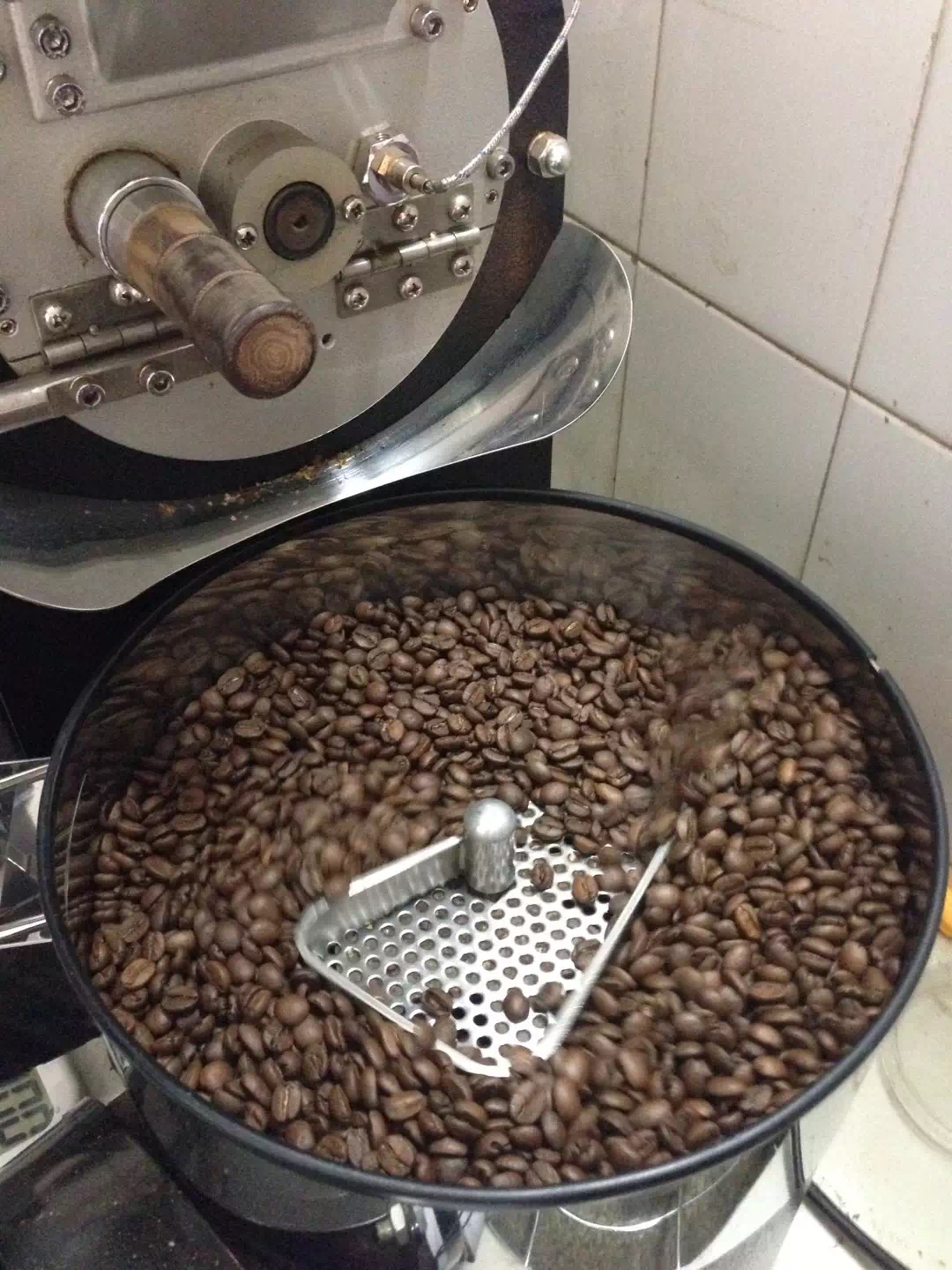
The small details that should be paid attention to in roasting coffee beans determine the success or failure of the roasting effect.
Baking this heat treatment causes significant chemical and physical changes in the structure and composition of raw coffee, causing the beans to darken and emit the unique aroma of roasted coffee. 1. The purpose of coffee roasting the main purposes of coffee roasting are: 1, aroma; 2, increase the complexity of coffee; 3, to obtain color; 4, to form the unique flavor of coffee. 2. Coffee is roasted according to the way it is roasted.
2015-11-23 Coffee beans roasting attention details decision effect success or failure this hot spot
Coffee technology coffee roasting Roasting Skills training
SCAE has officially rescheduled the baking course, changing the previous Level1 and Level 2 to three levels: [Foundation Junior] [Intermediate Intermediate] [Professional Advanced]. [Foundation Primary] objective: to understand the basic knowledge of raw coffee beans; to understand the basic knowledge of roasting utensils and roasting processes; and to perform roasting according to a predefined roasting plan.
2015-01-09 Coffee technology roasting Roasting Skills training SC
Chemical reflection of coffee in roasting knowledge of roasting coffee beans
Coffee has a rich, wide range of flavors. Coffee produced in different regions, different elevations, different climates and different producing areas has its own unique characteristics. Raw beans are fragrant and have no usual coffee taste at all; the taste of coffee comes from proper roasting. Show fruity (light roasting) or caramel sweetness (deep roasting). The lighter the baking, the more sour it tastes. Baking.
2015-01-28 Coffee roasting medium chemistry reflection coffee beans knowledge coffee possession rich
Basic knowledge of roasting Coffee Bean roasting
The so-called coffee roasting (coffee roasting) refers to the process that through heating the raw beans, a series of physical and chemical reactions take place inside and outside of the coffee beans, and in this process, the sour, bitter, sweet and other flavors of the coffee are formed, forming mellowness and hue, and transforming the raw beans into dark brown beans. The original beans of coffee rely on professional technology to maximize the flavor of beans. Baked
2015-04-03 Boutique coffee roasting basics common sense coffee beans so-called coffee co
Coffee knowledge points: coffee roasting talking about roasting process, roasting degree and roasting curve
When we pour the coffee beans at room temperature into the drum of the roaster after preheating, the temperature in the drum will be pulled down quickly and sharply, and the heat accumulated inside will be absorbed by the coffee beans and cause water evaporation. One minute to a few minutes later (the reheating time is related to preheating temperature, heating source, drum design, raw bean quantity, etc.), as the bean table loses moisture, coffee
2015-12-22 Coffee knowledge essentials baking chatting process degree curve
Coffee knowledge points: coffee roasting talking about roasting process, roasting degree and roasting curve
When we pour the coffee beans at room temperature into the drum of the roaster after preheating, the temperature in the drum will be pulled down quickly and sharply, and the heat accumulated inside will be absorbed by the coffee beans and cause water evaporation. One minute to a few minutes later (the reheating time is related to preheating temperature, heating source, drum design, raw bean quantity, etc.), as the bean table loses moisture, coffee
2015-12-22 Coffee knowledge essentials baking chatting process degree curve
Analysis of the aroma of coffee from a chemical point of view
Whether you are a coffee expert or an ordinary coffee lover, you will be attracted by the attractive aroma of that freshly ground coffee every morning. What you don't know is that this fragrance actually contains thousands of chemicals. To give you a better understanding of the chemical components of coffee aroma, we have drawn the following chart: in the face of such a complex chemical symbol, you may be
2015-08-25 Chemistry angle analysis coffee aroma
Coffee bean roasting theory
Grab a handful of coffee raw beans smell, there is always a pungent smell, very different from the impression of the charming smell of coffee. However, after roasting "fragrance" correctly, raw beans will emit the strongest aroma in the world.
2014-08-26 Coffee knowledge roasting theory coffee bean roasting
Coffee terms commonly used in fine coffee dictionaries
* Cupping: a way to test the quality of coffee. Basically, put the ground fresh coffee beans in a cup, pour them into hot water and soak them, then scoop them out with a small spoon without filtering. * extraction: the necessary substance is dissolved through a liquid and precipitated. * caffeine: the chemical formula is C8H10N402, the only plant base containing nitrogen, such as refreshing, diuresis and elimination.
2015-04-13 Boutique coffee dictionary common use terminology other cup test Cupping one
Explanation of the terms of fine coffee in coffee knowledge
Cupping: a way to test the quality of coffee, basically by placing ground fresh coffee beans in a cup, pouring them into hot water, soaking them, and then scooping them out with a small spoon without filtering. Extraction: precipitation of the desired substance by dissolving it through a liquid. Caffeine: chemical formula C8H10N402, the only nitrogen-containing plant base, refreshing, diuretic, relieving fatigue
2014-09-13 Coffee knowledge boutique coffee terminology coffee words
Common coffee terms
About coffee beans: * Coffee cherry: the fruit of a coffee tree, named because its rind is bright red and its shape is very similar to cherries. * round beans: when the coffee fruit is growing, one of the two seeds develops very well, and the other seed is eaten so that the coffee bean that should be oval becomes round. * Elephant beans: bigger than ordinary coffee beans and usually taste
2014-08-18 Coffee knowledge coffee terminology coffee bean words
Interpretation of coffee industry terms
About coffee beans: * Coffee cherry: the fruit of a coffee tree, named because its rind is bright red and its shape is very similar to cherries. * round beans: when the coffee fruit is growing, one of the two seeds develops very well, and the other seed is eaten so that the coffee bean that should be oval becomes round. * Elephant beans: bigger and tastier than ordinary coffee beans
2014-05-12 Coffee knowledge coffee terminology